Seagrass meadows are naturally occurring ecosystems of flowering plants in shallow waters. They are an essential species which retain carbon while providing a habitat and spawning ground for fish and other marine life. The meadows have been dubbed “the lungs of the ocean” and some are capable of absorbing carbon dioxide 35 times faster than tropical rain forests. They also improve water quality, reduce contamination in seafood, and offer protection from flooding and storms.
Now, in the fight against climate change, restoring seagrass is viewed as increasingly important for carbon storage globally. Seagrass is part of a UN project called Decade on Ecosystem Restoration while £2m has been allocated to restore meadows in Scottish waters. This initiative – a public/private project – will see at least 14 hectares of seagrass planted over the next few years, to add to projects already underway, including Loch Craignish, where Price and colleagues at a charity called Seawilding have been at the vanguard of trialling restoration methods.
A Ferret Scotland feature: https://www.theferret.scot/seagrass-underwater-weed-climate-change/
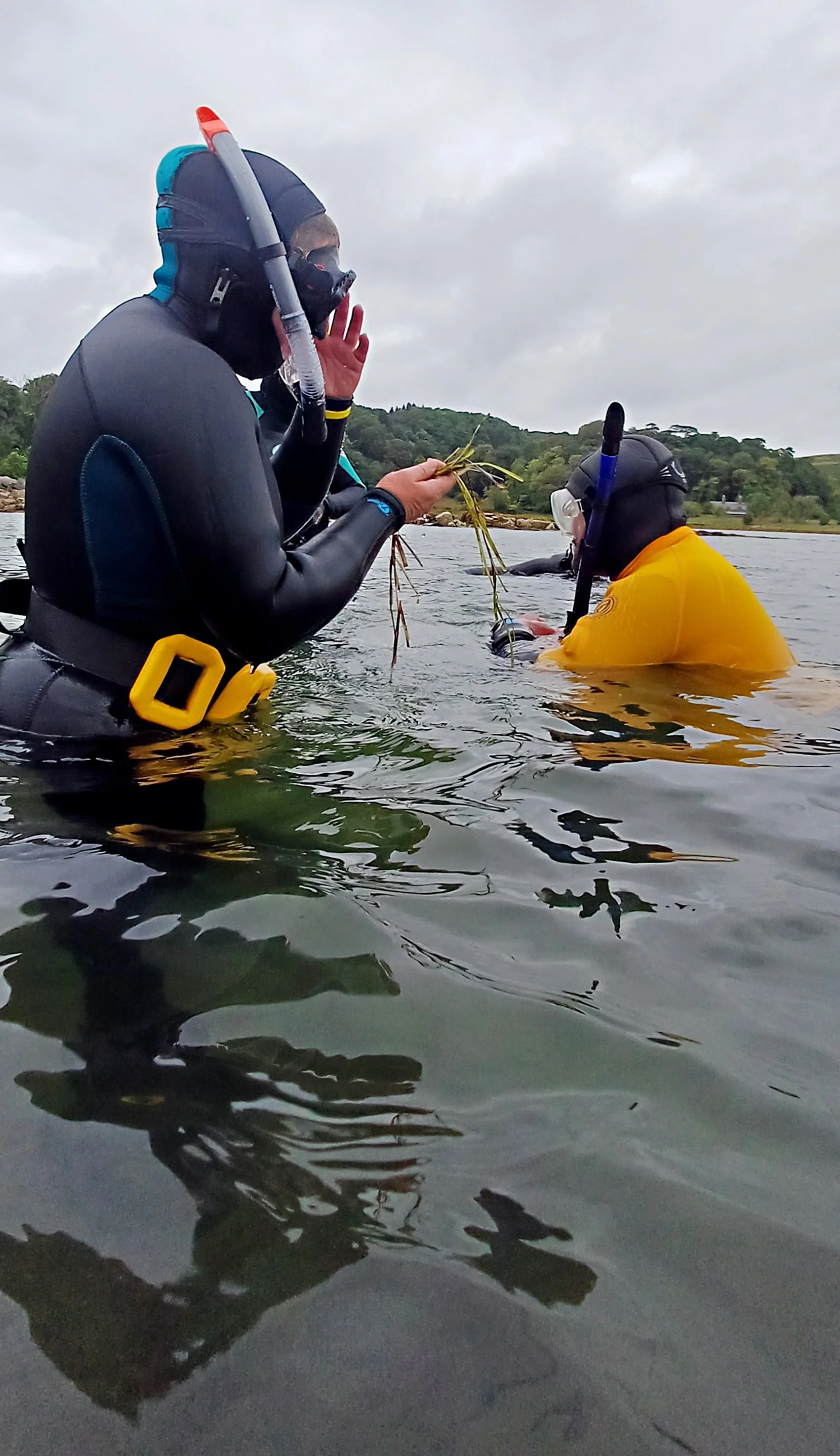
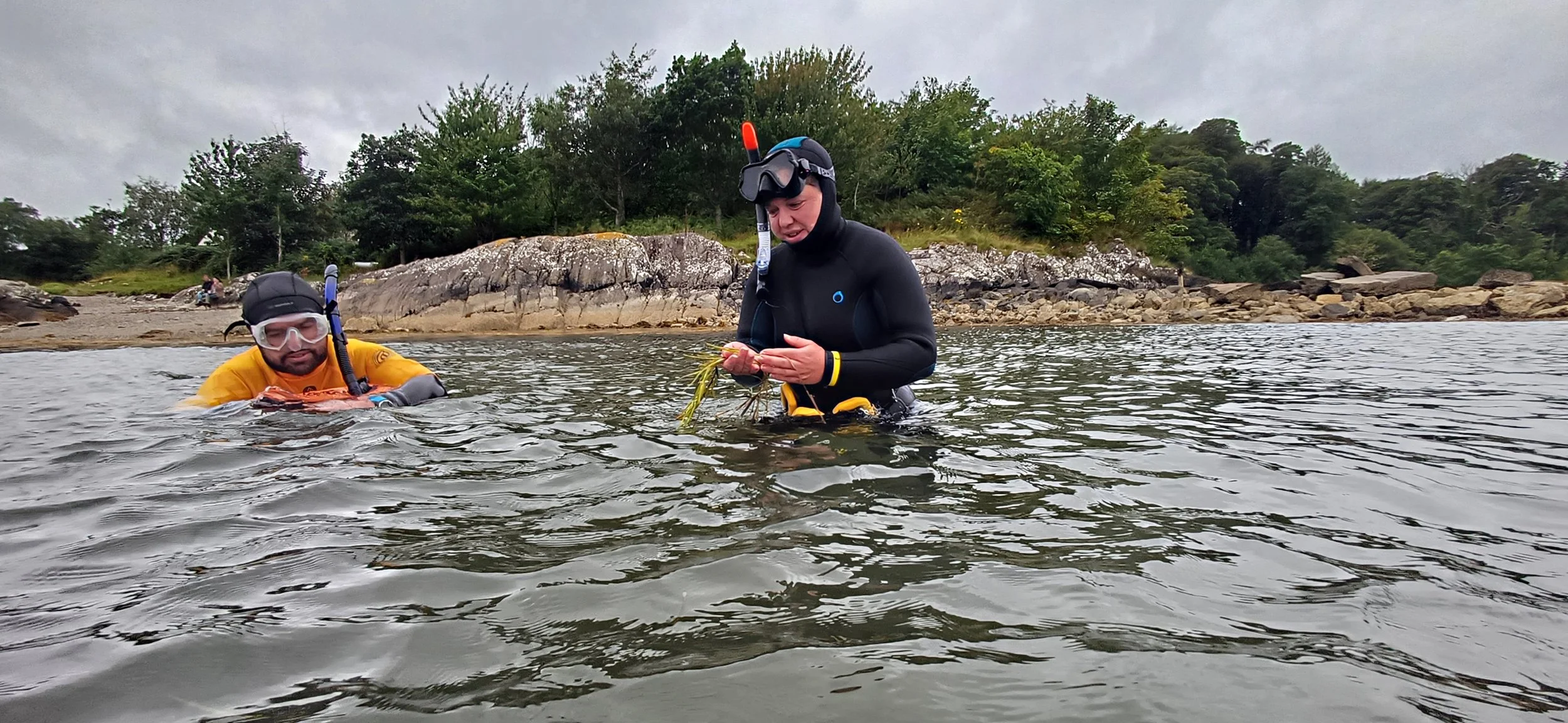
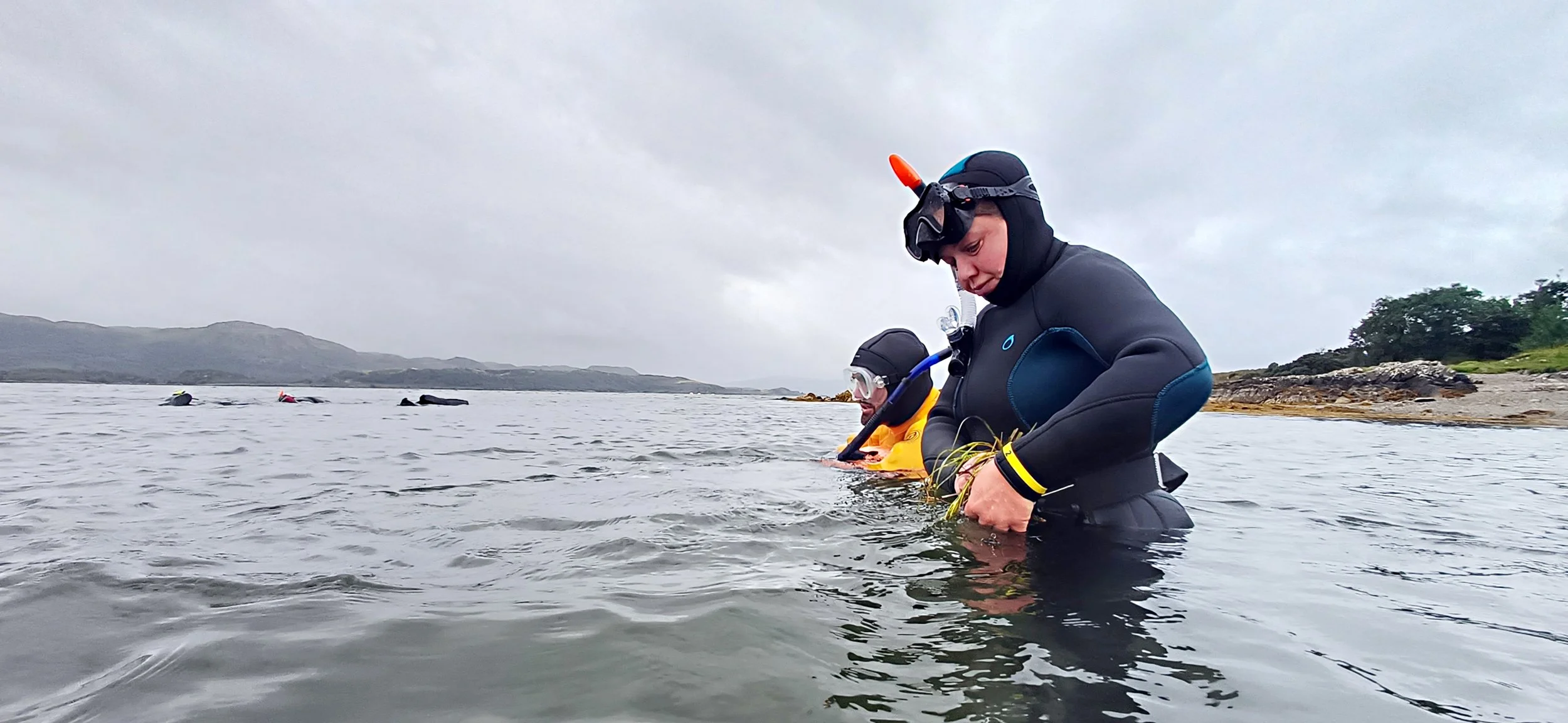
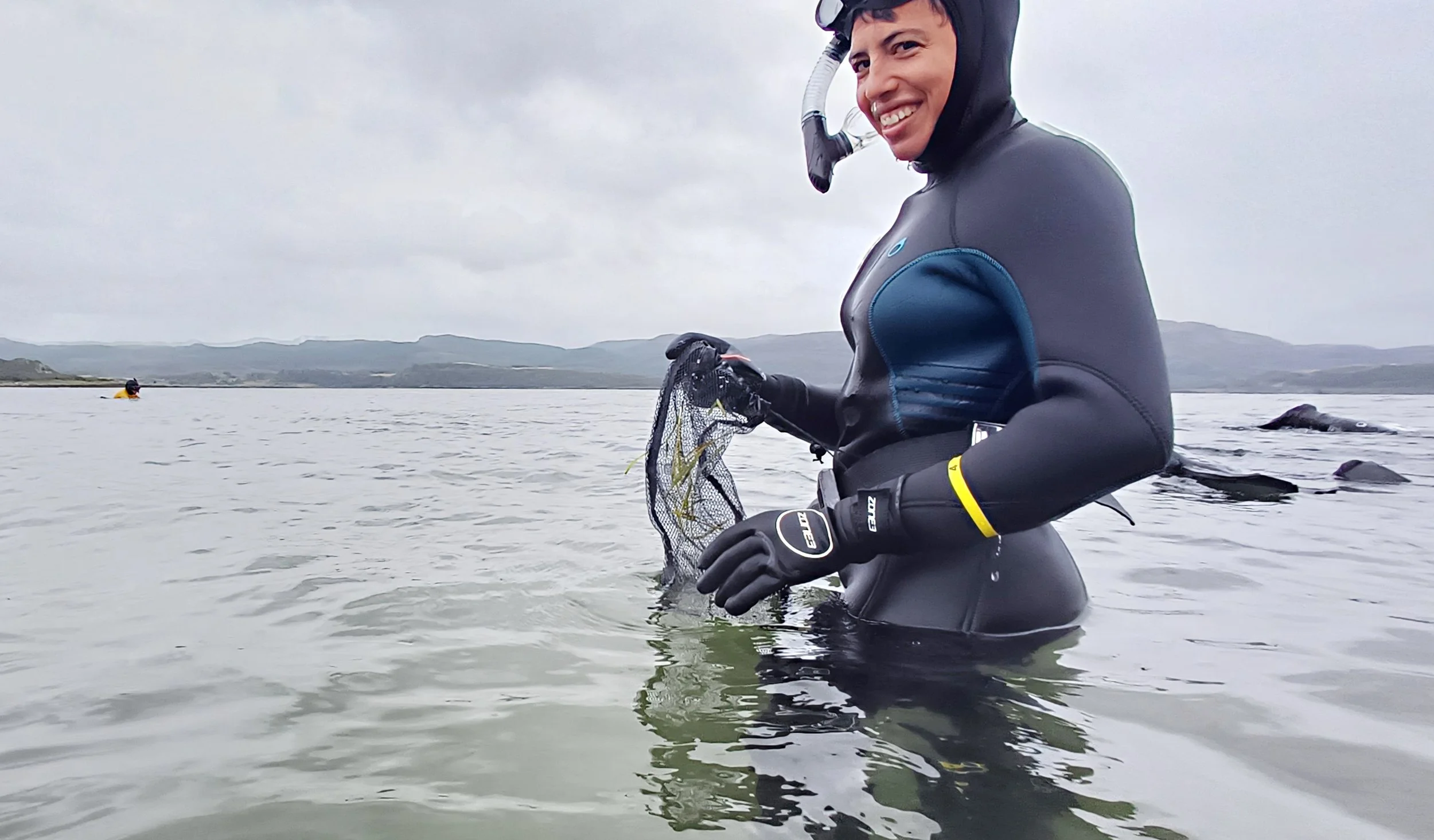
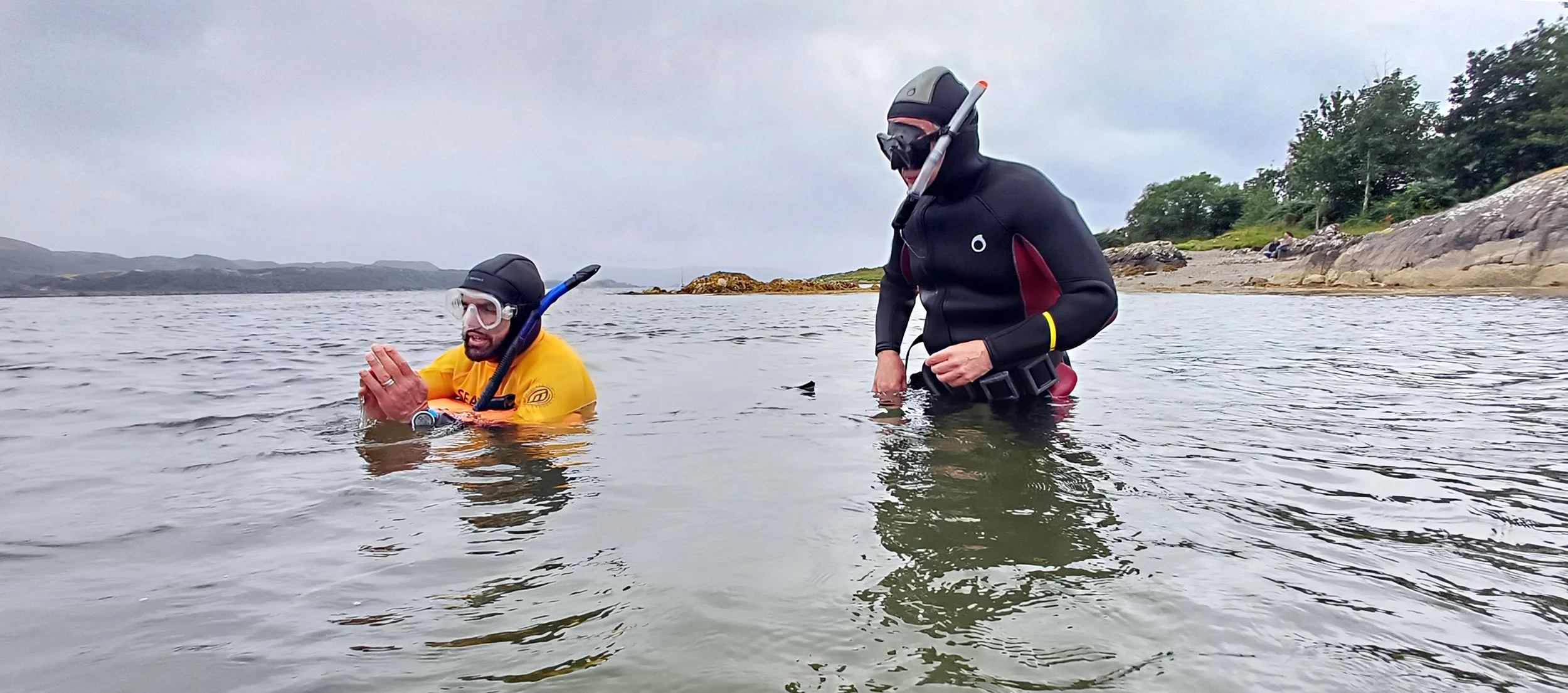
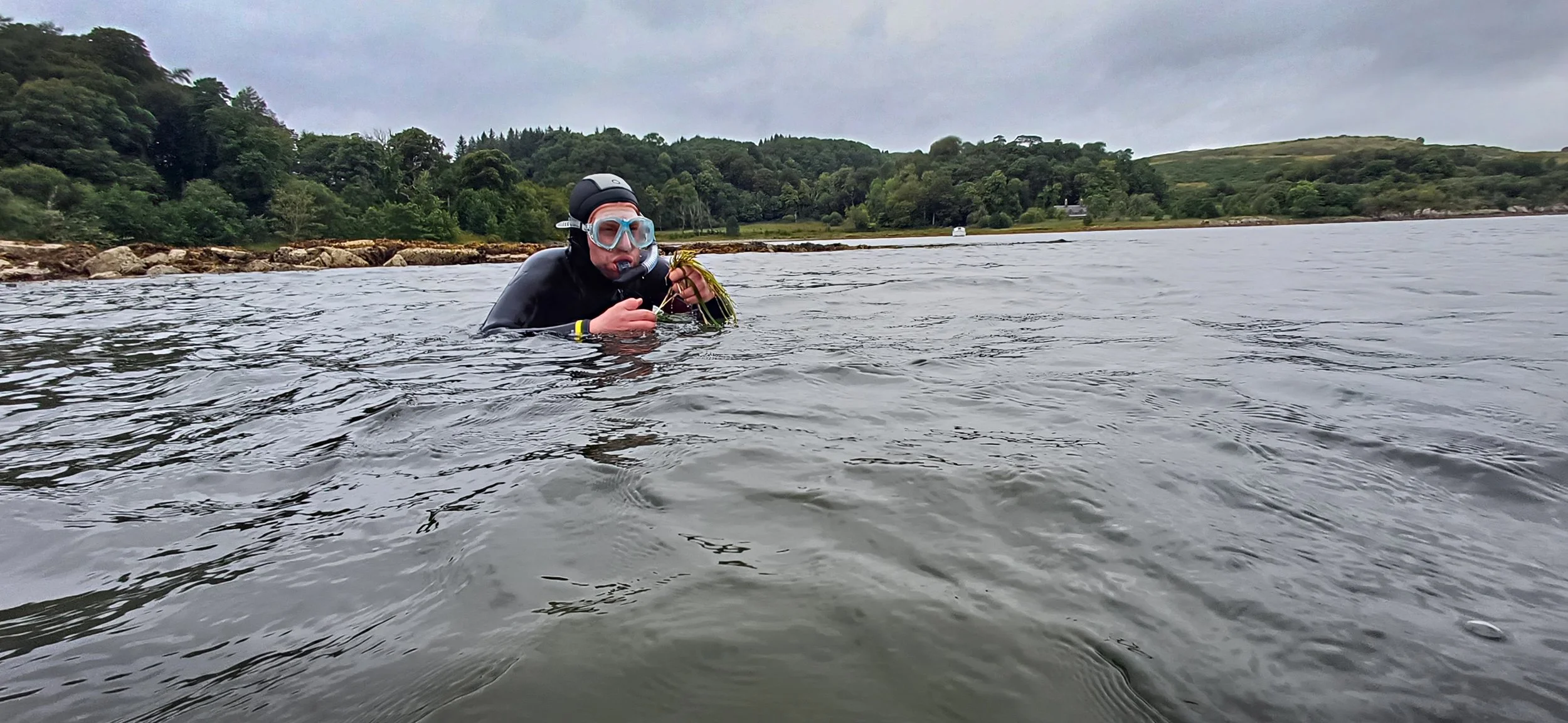
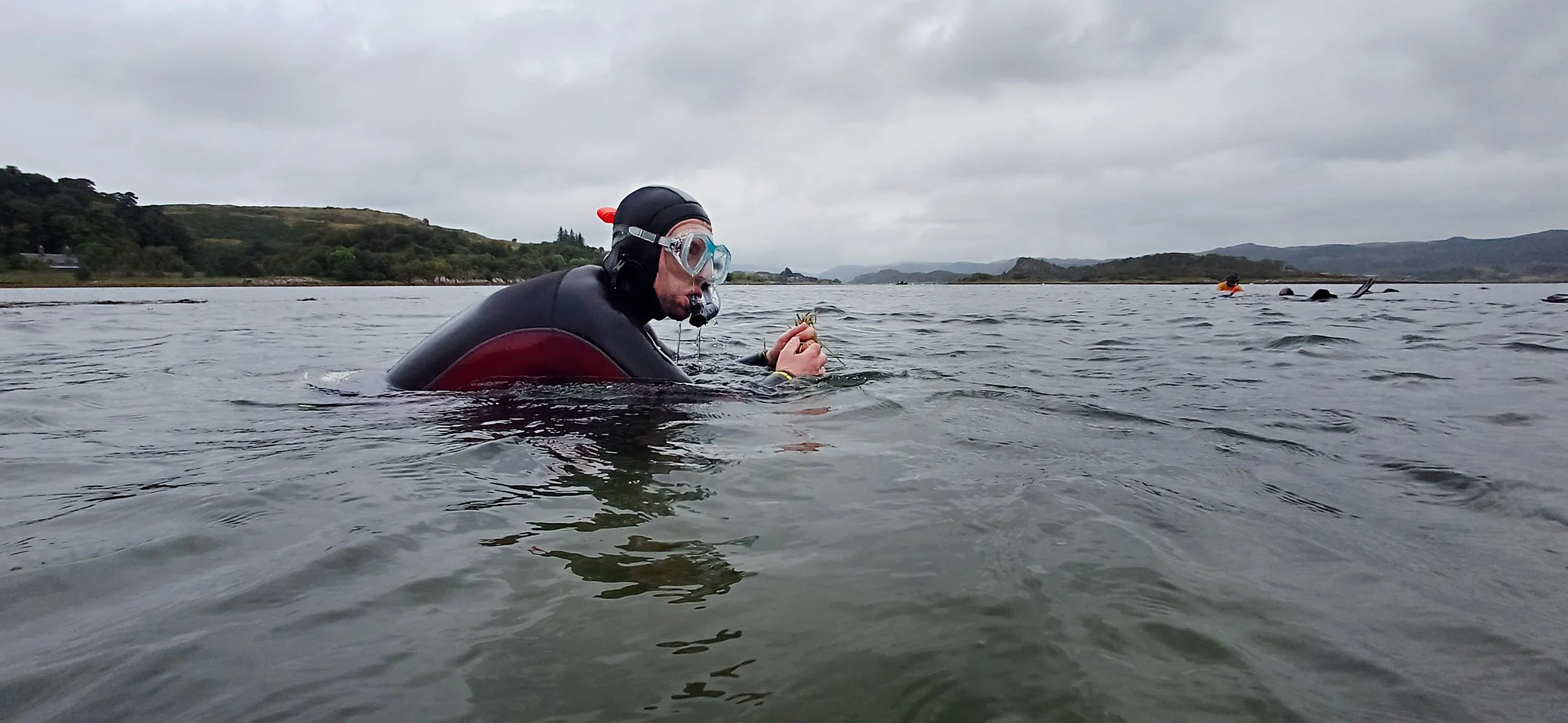
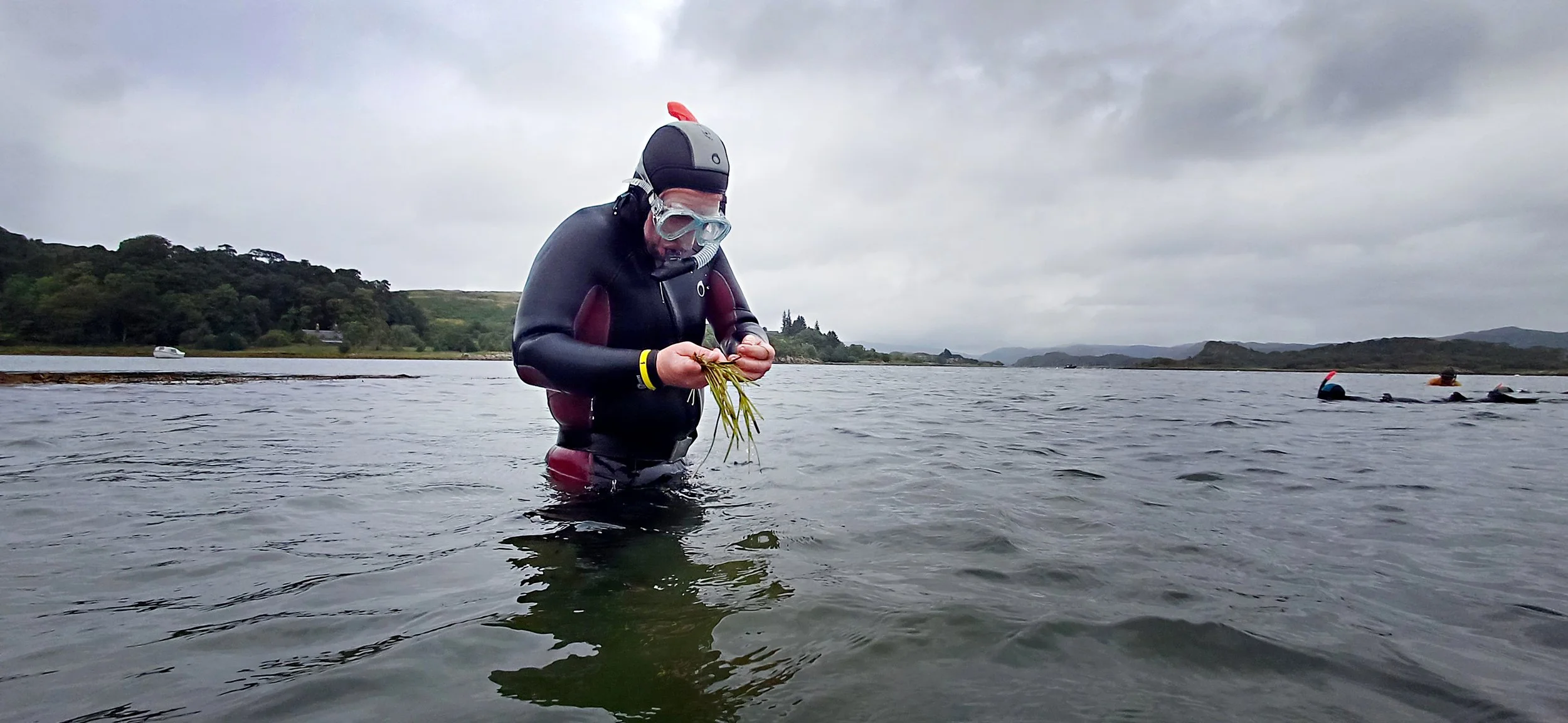
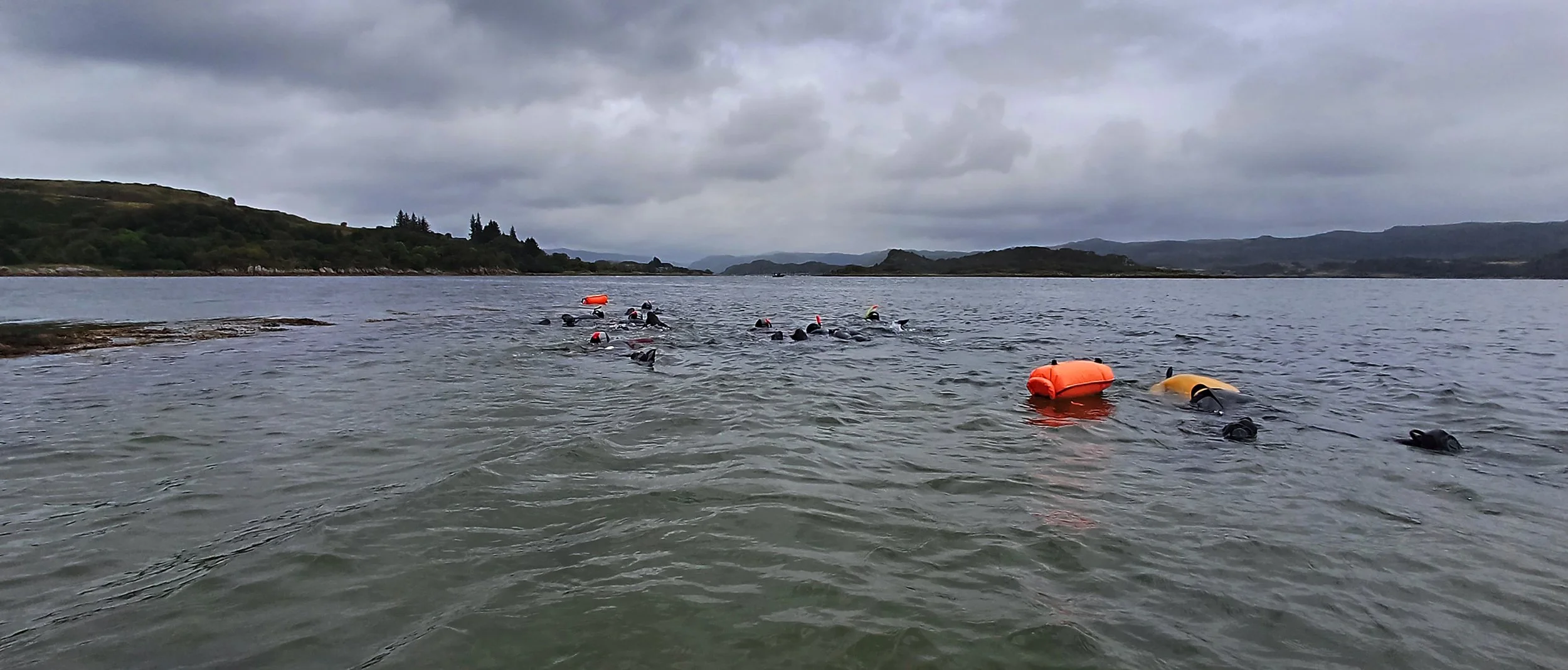
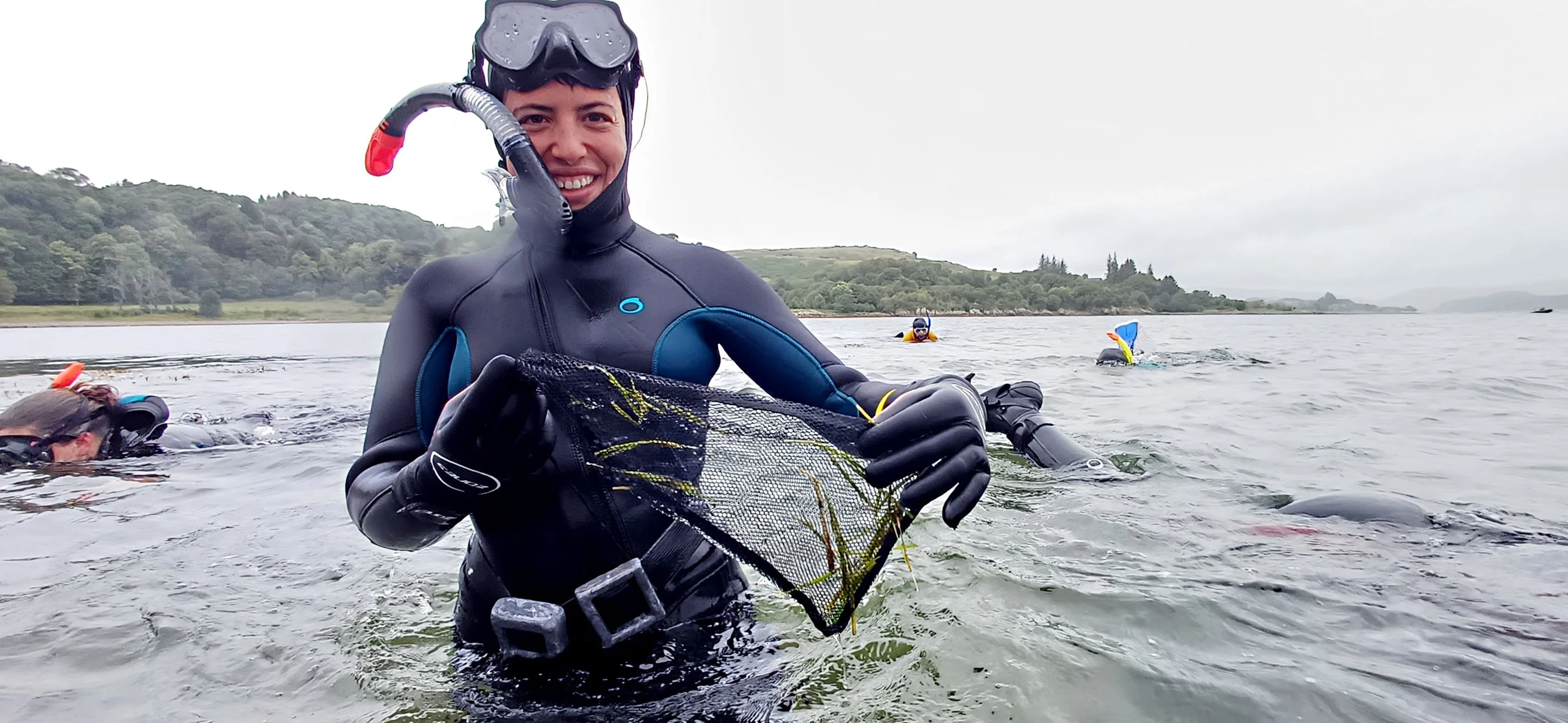
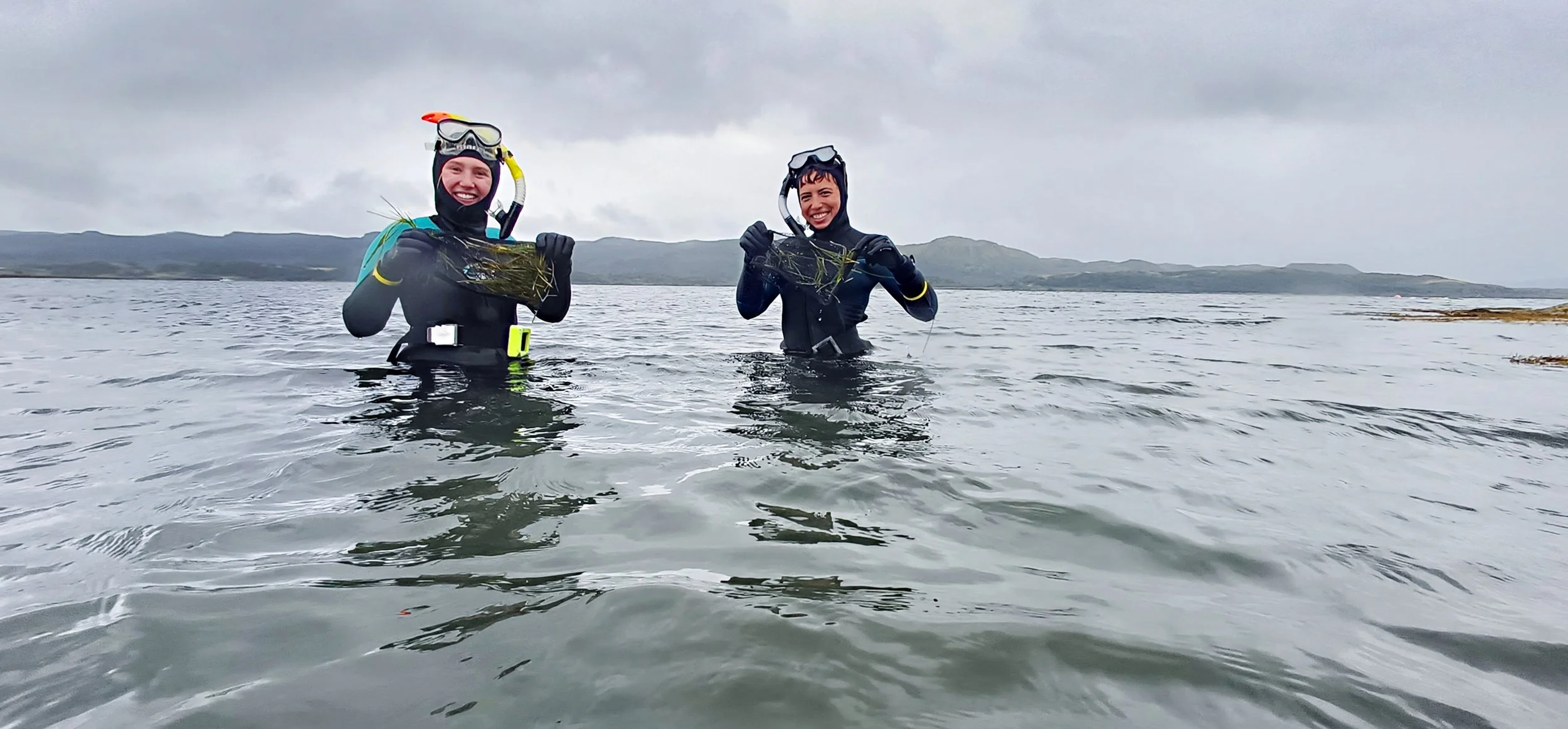
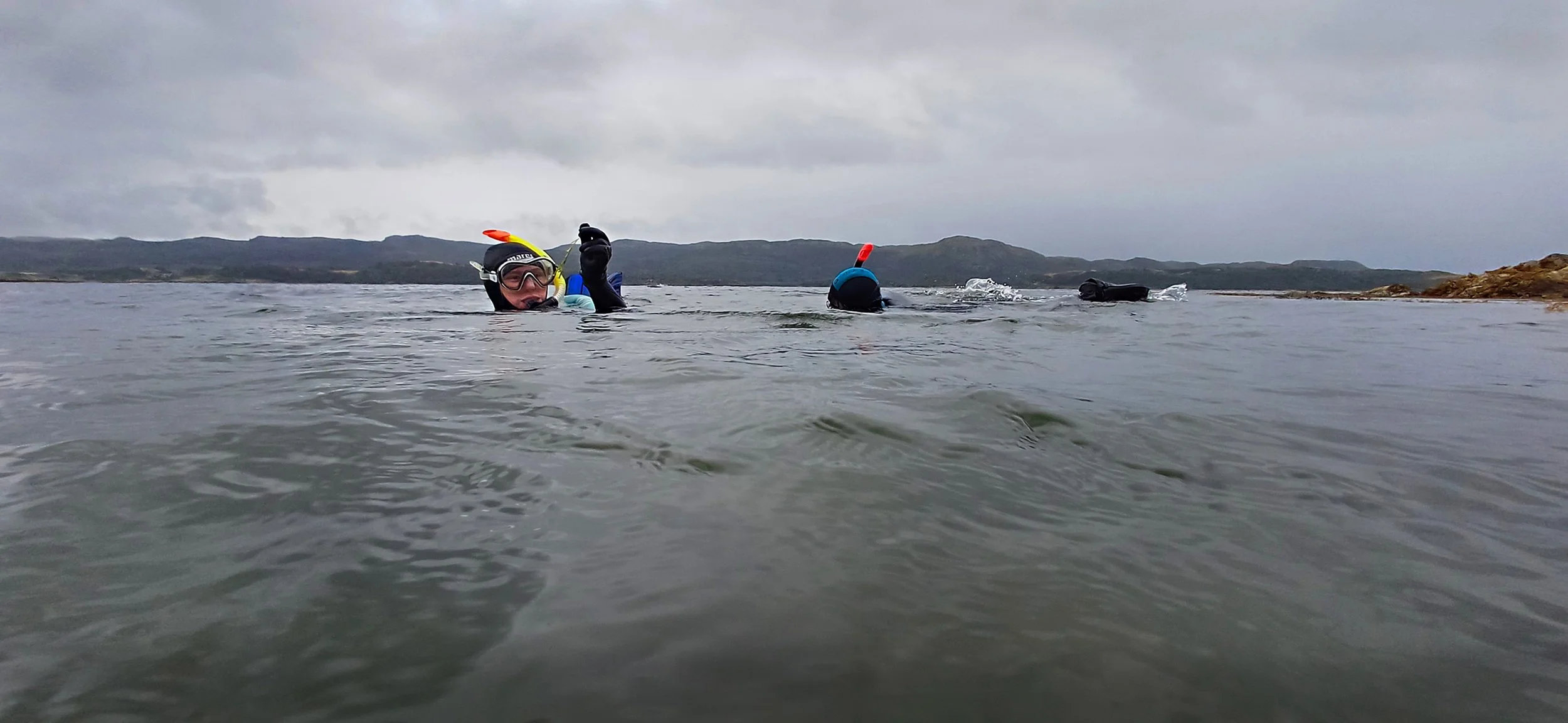
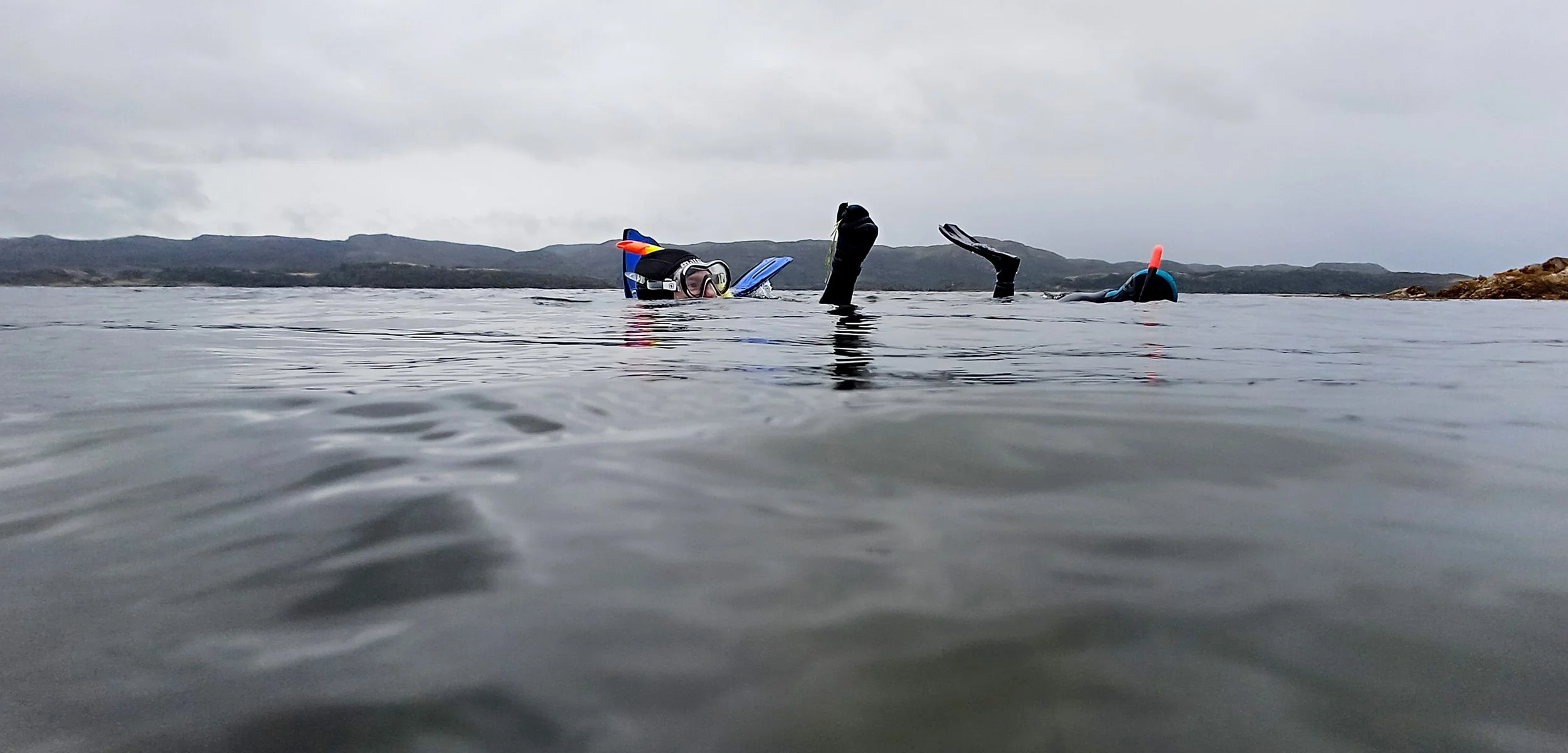
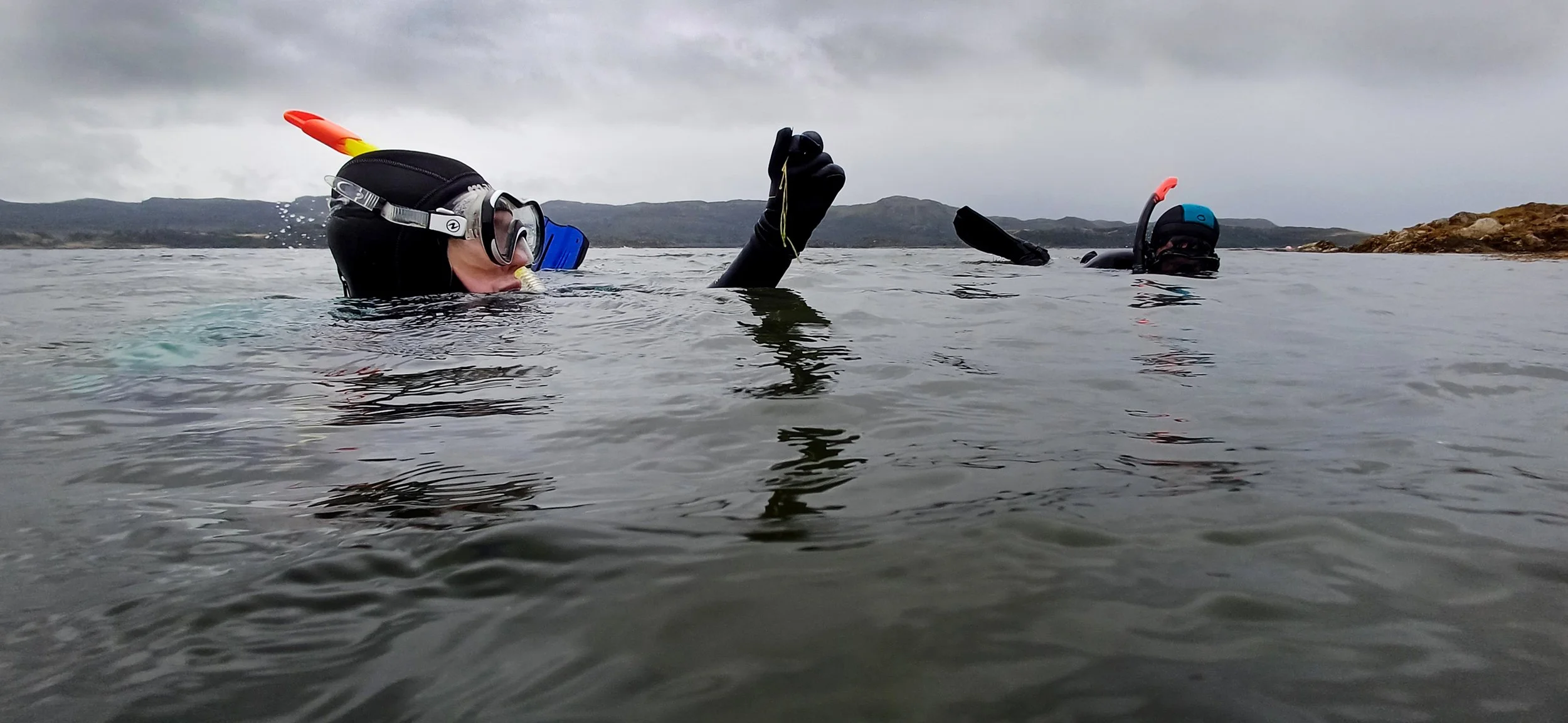
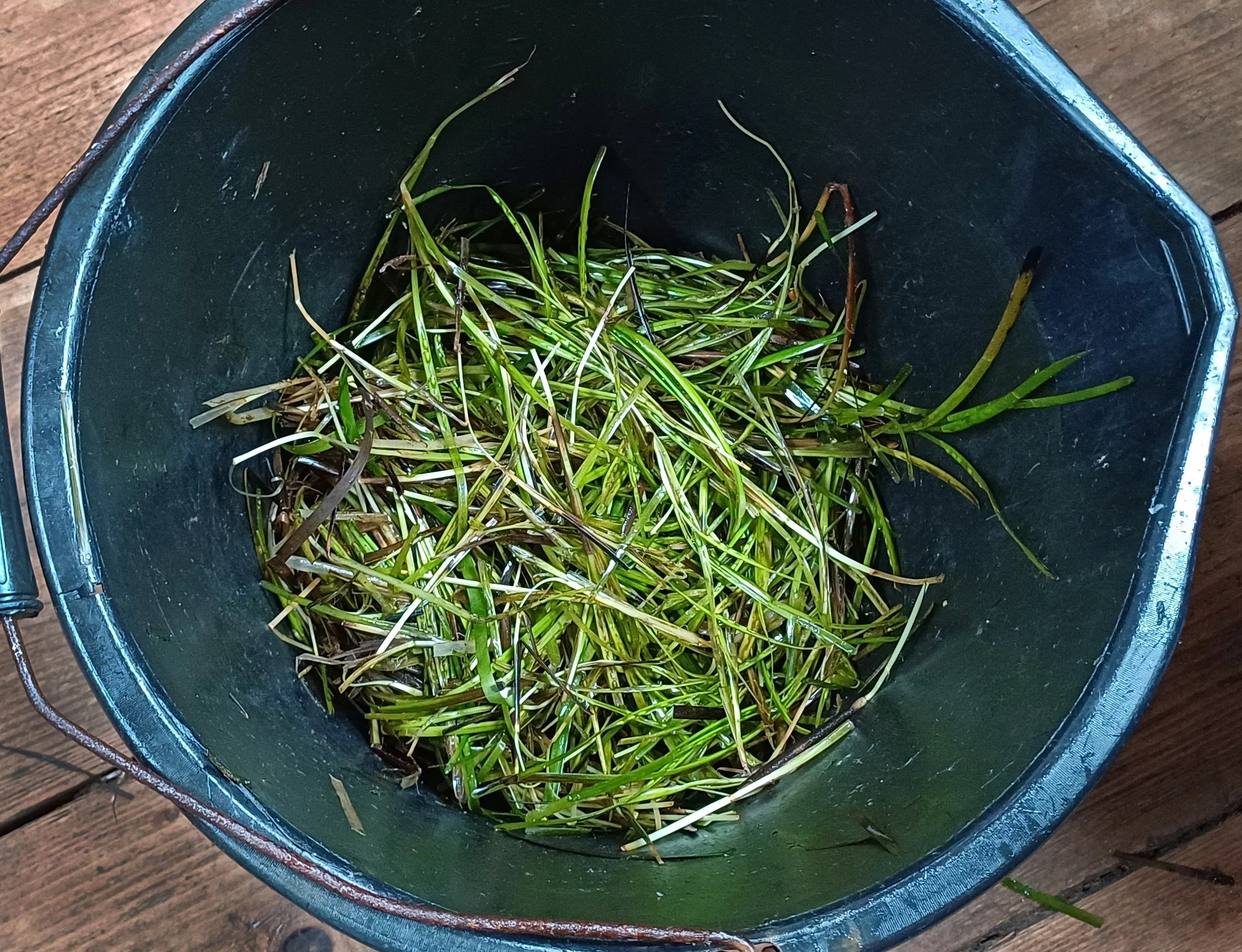
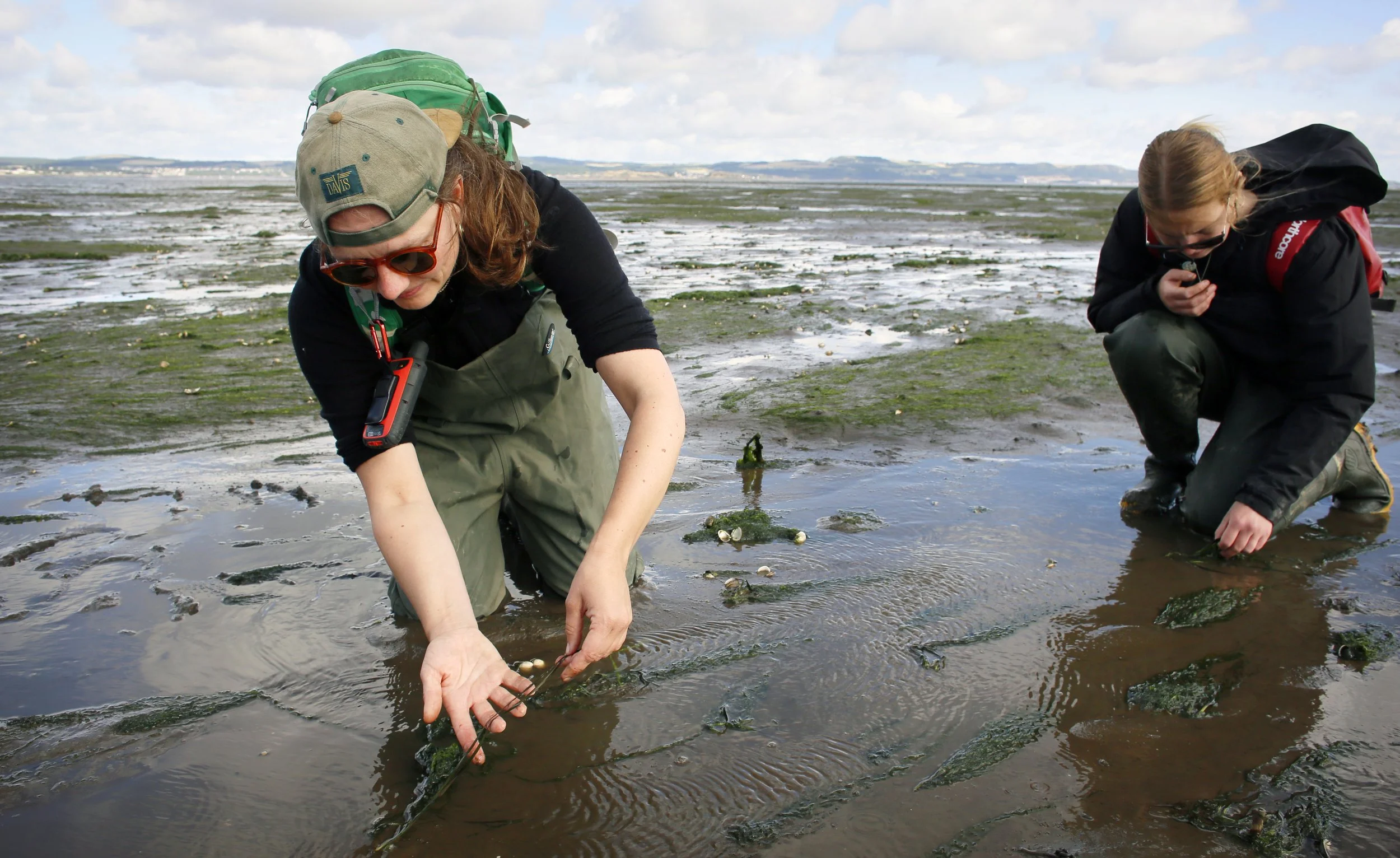
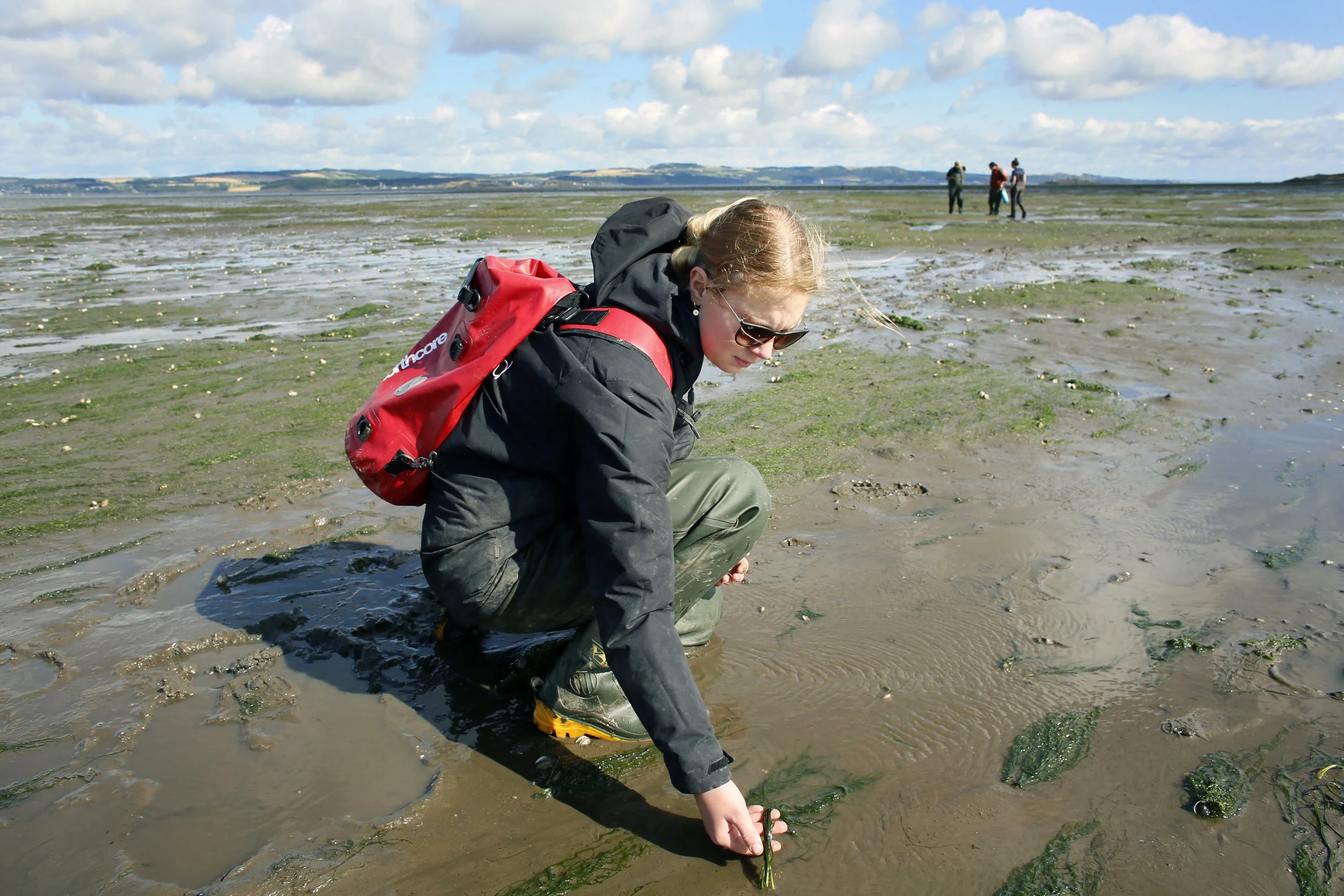
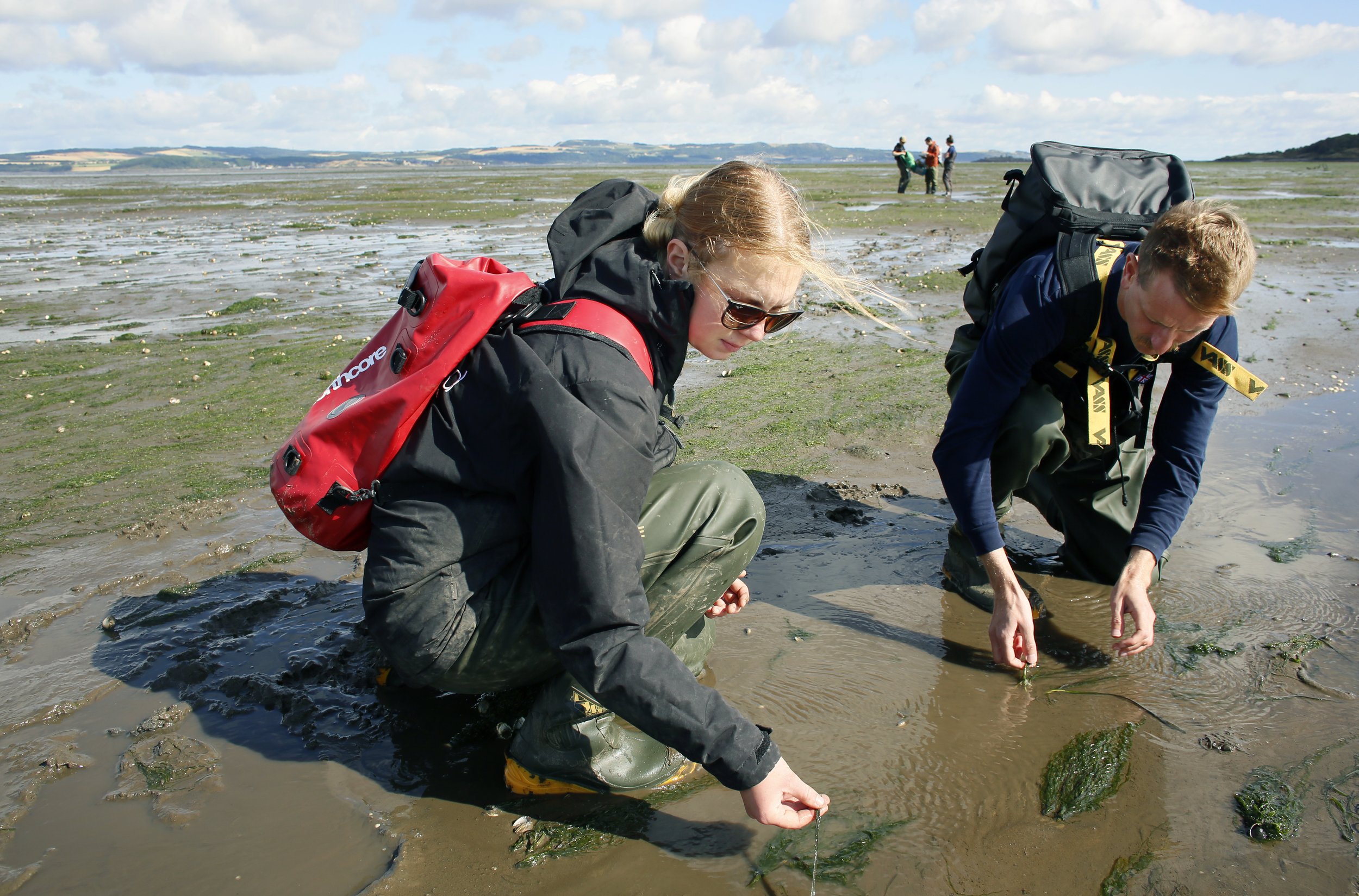
The Restoration Forth Project, is endeavouring to re-establish seagrass habitats within the Firth of Forth.
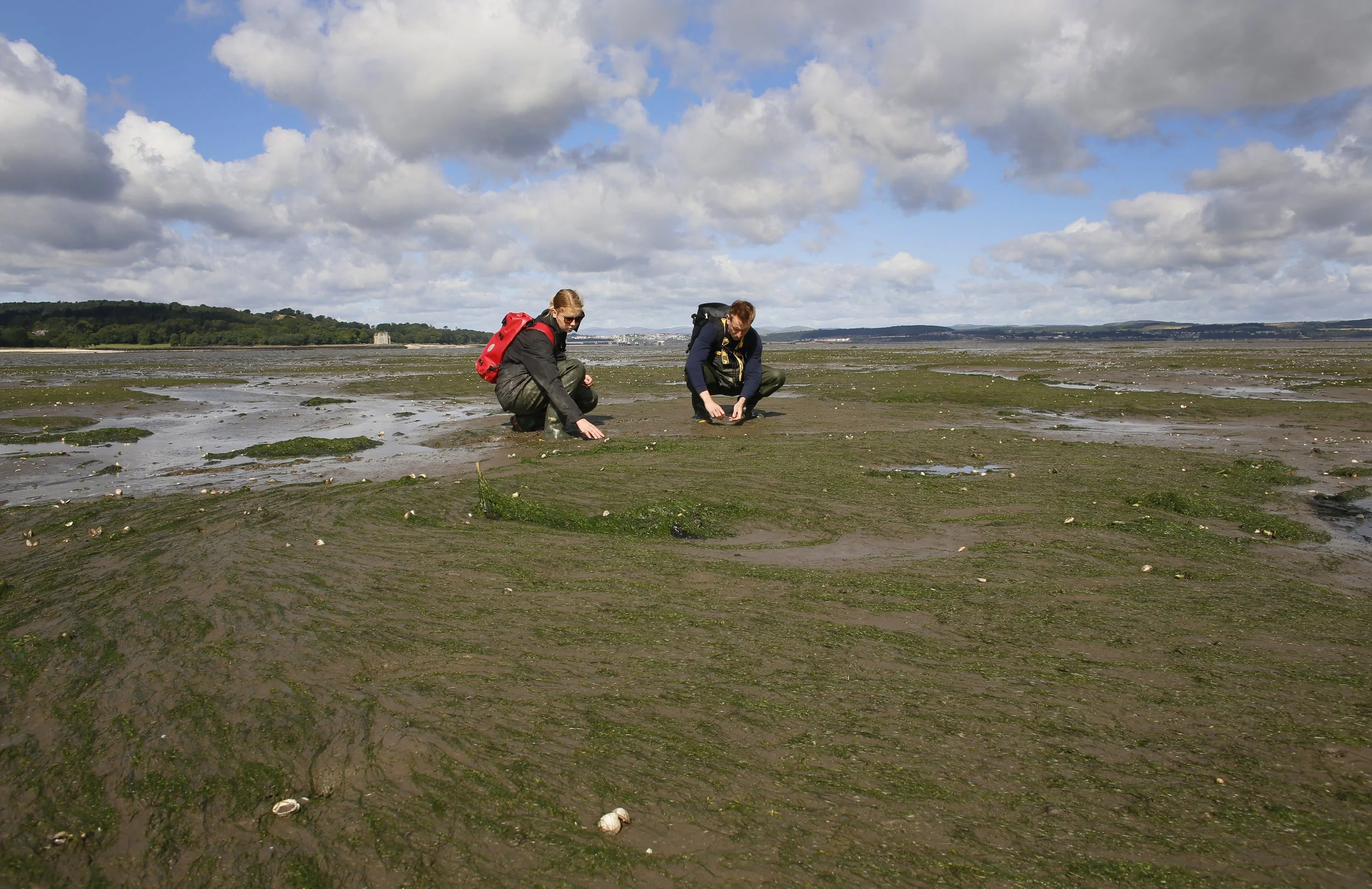
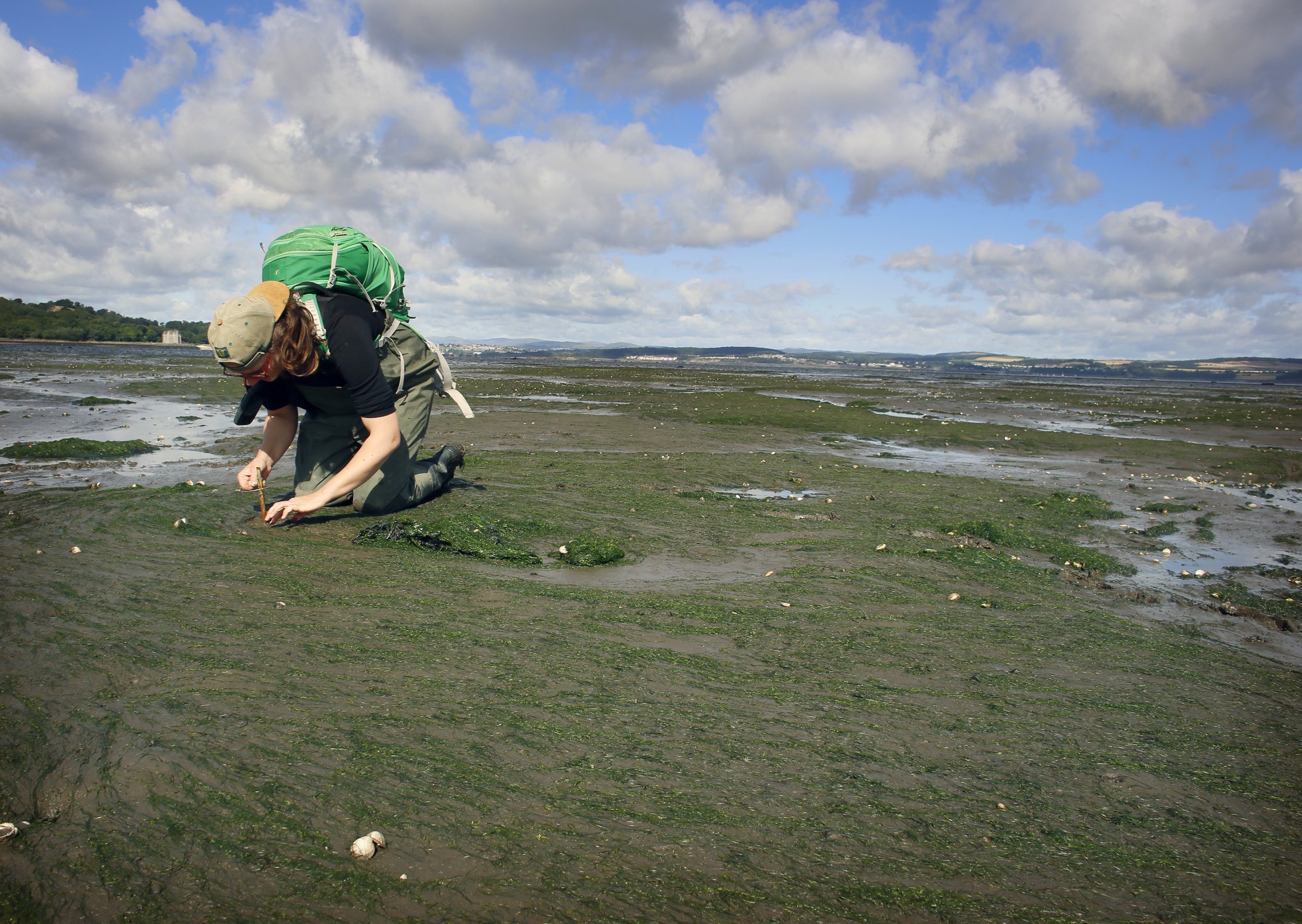
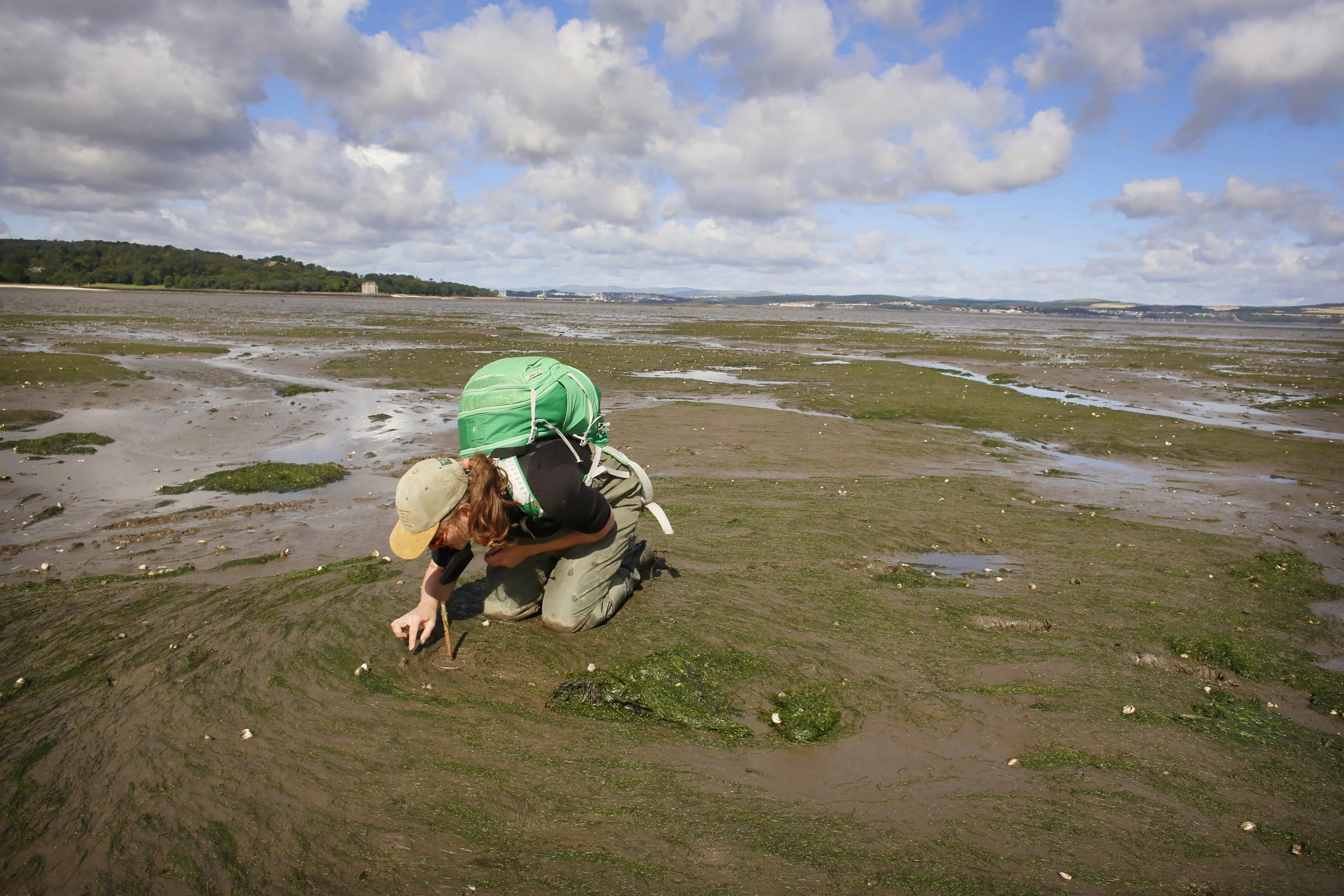
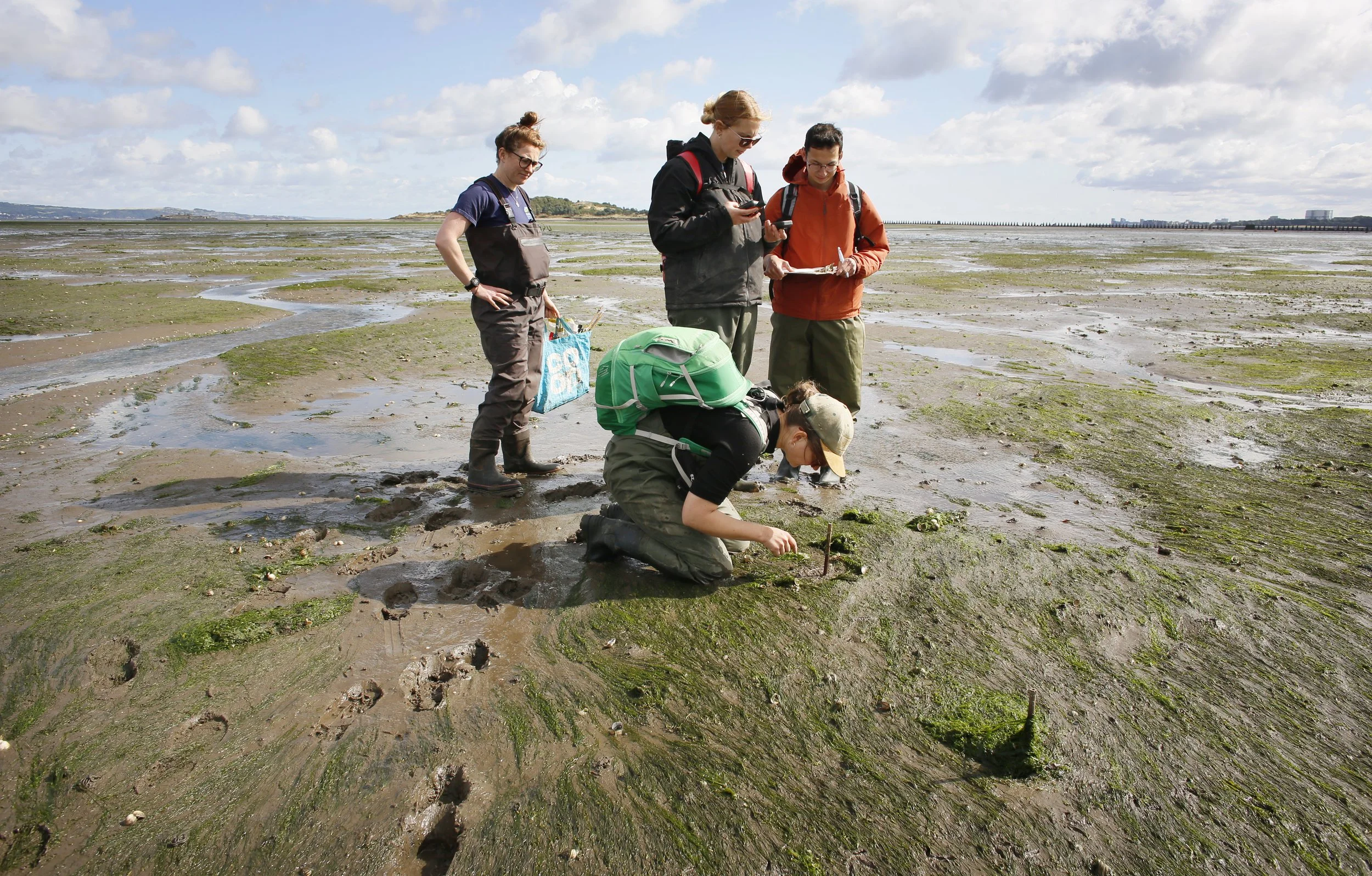
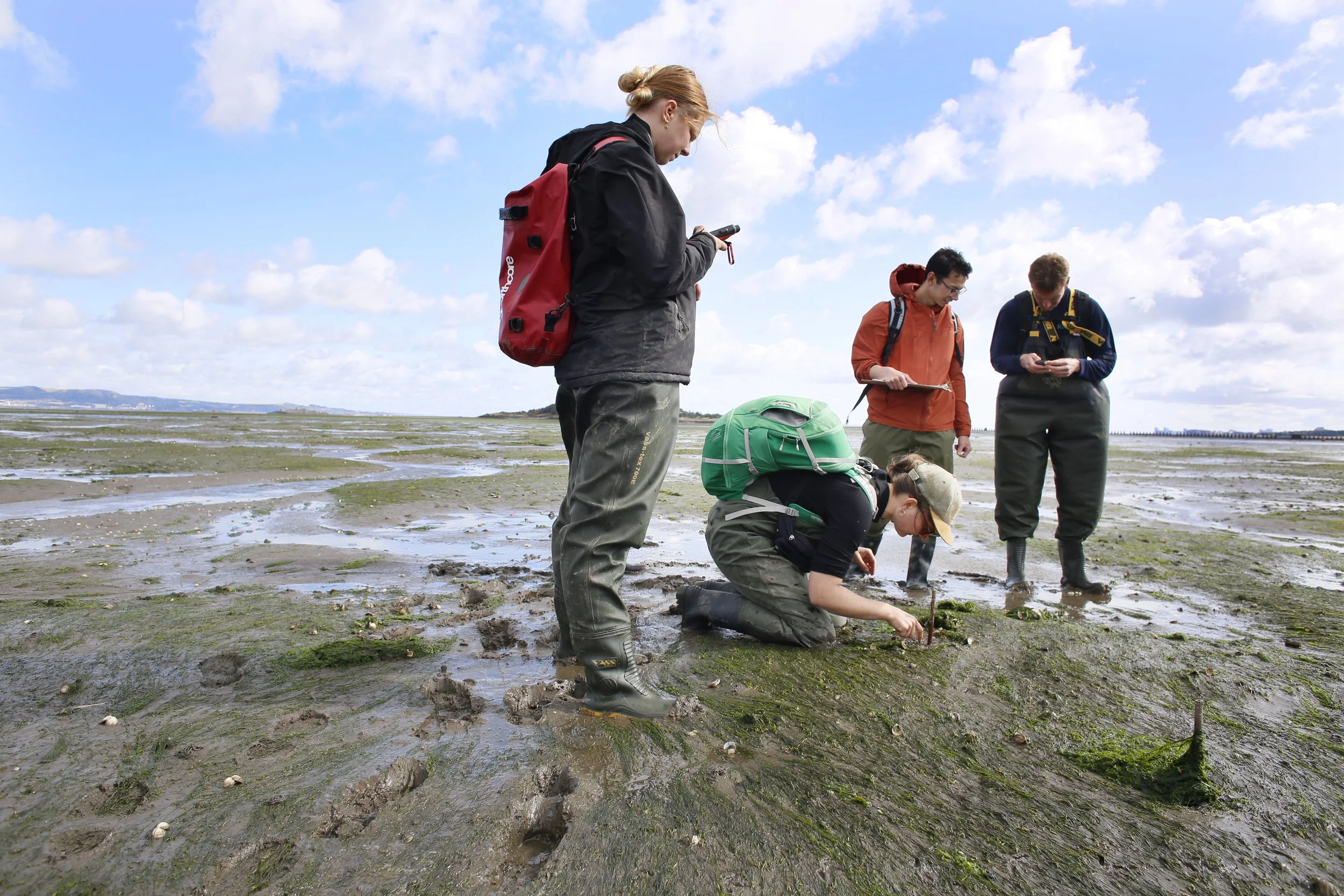
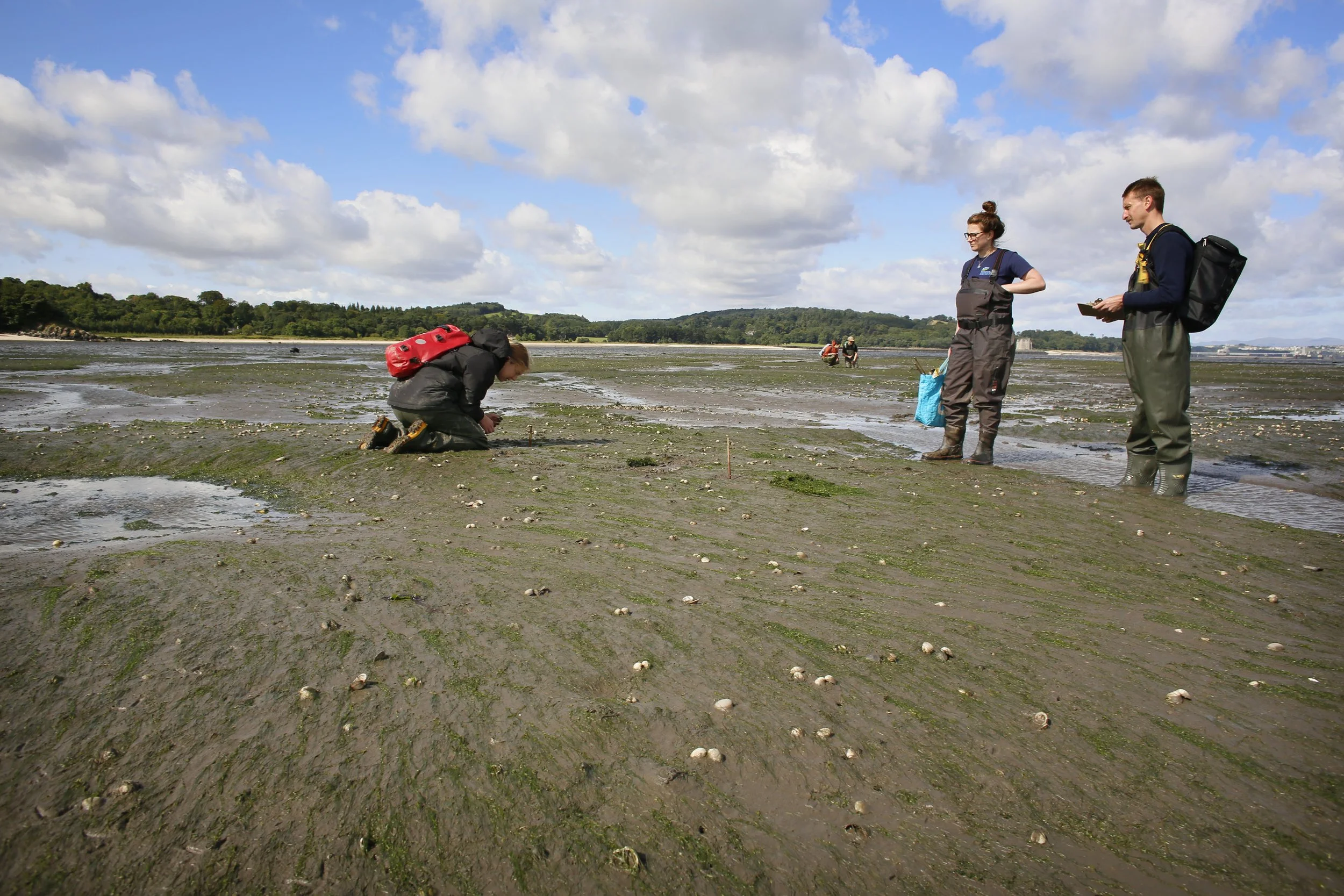
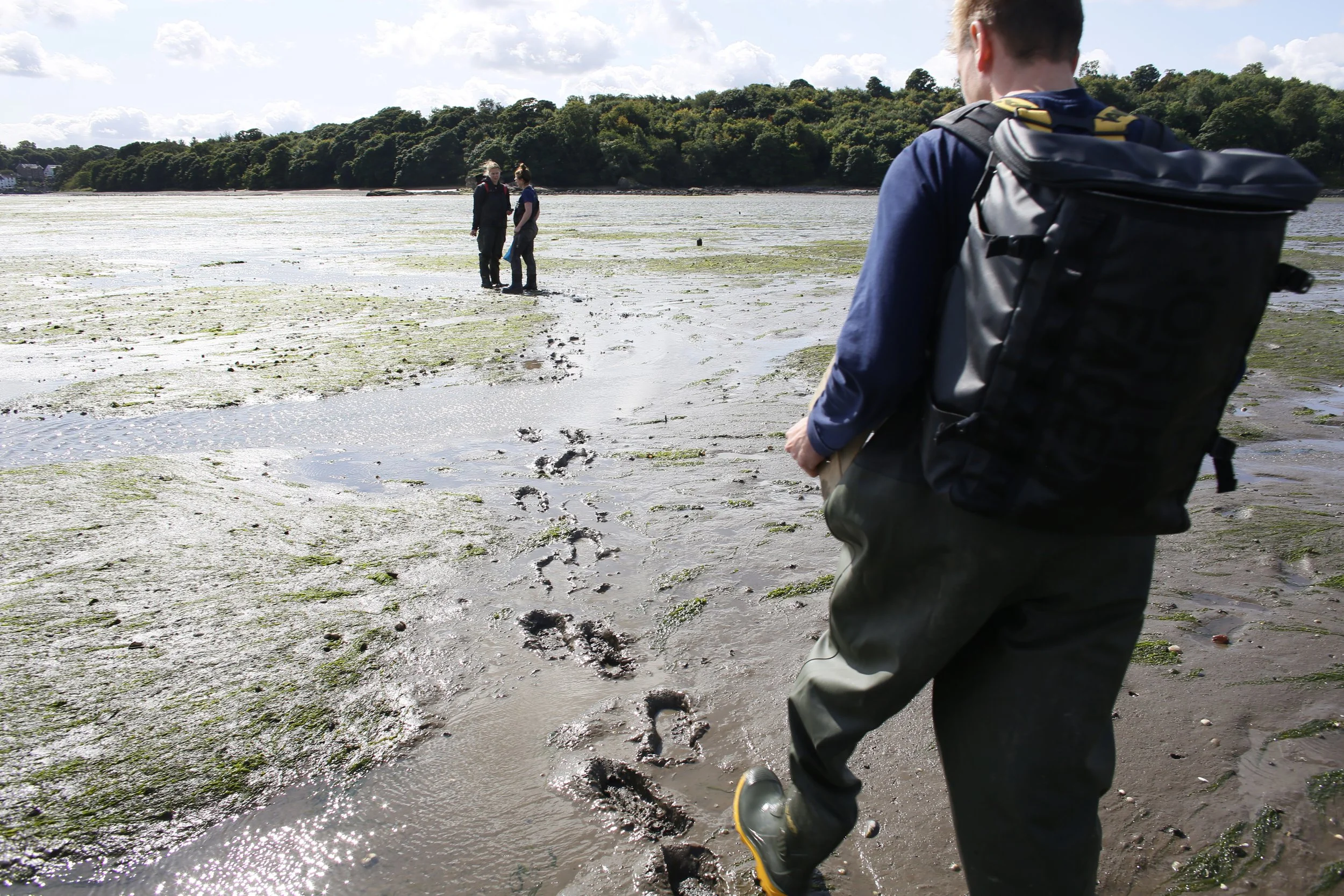
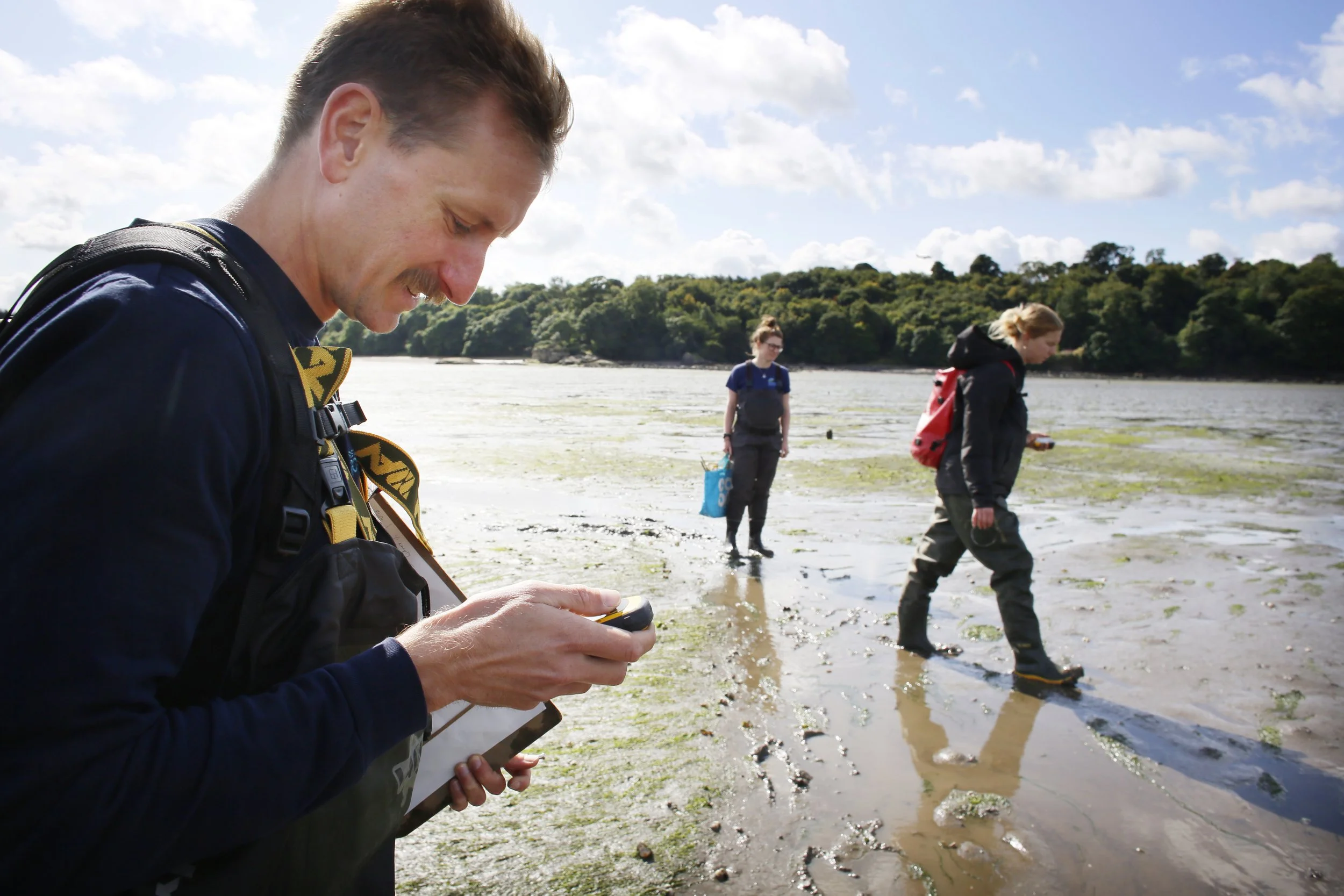
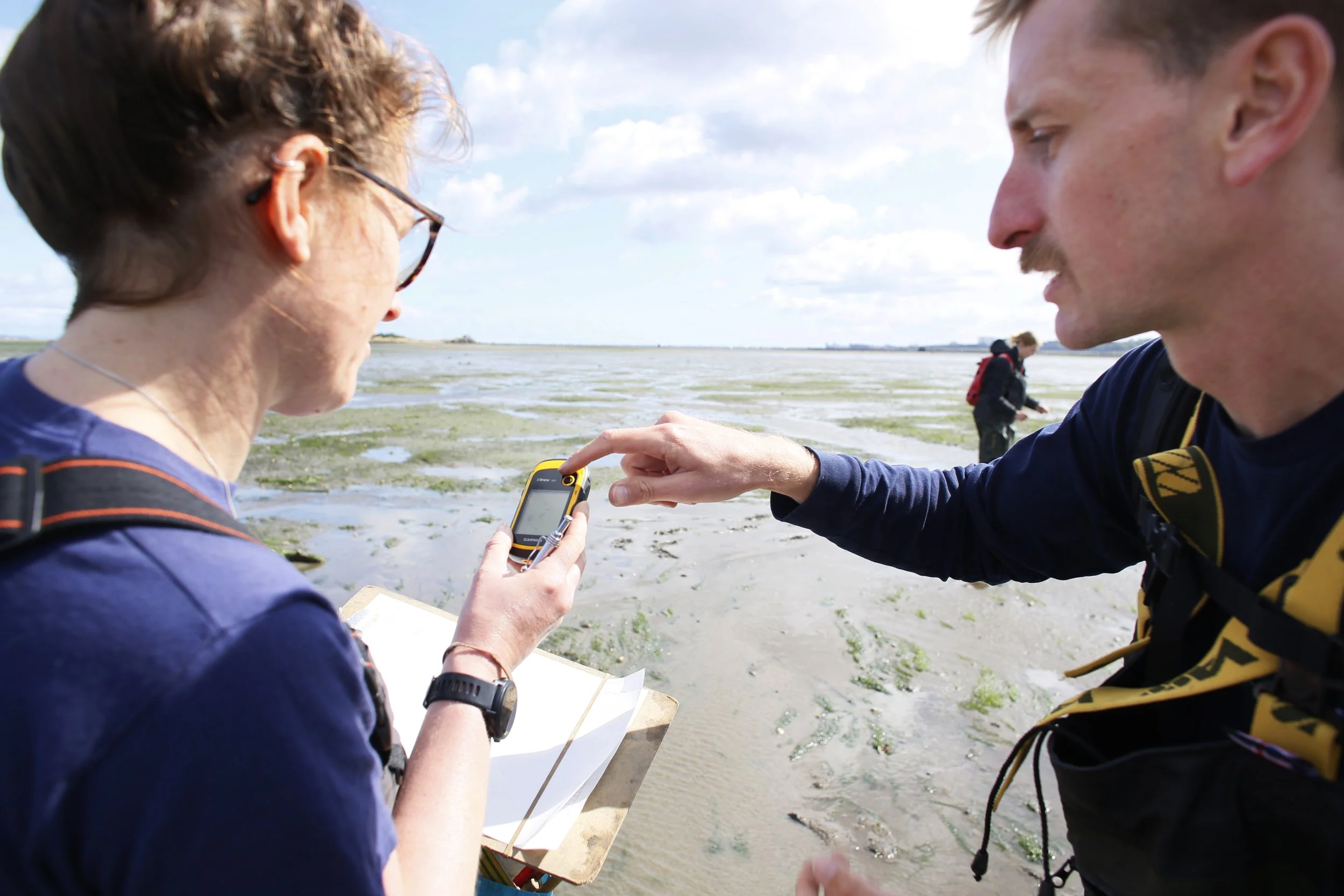
Drum Sands near Cramond.
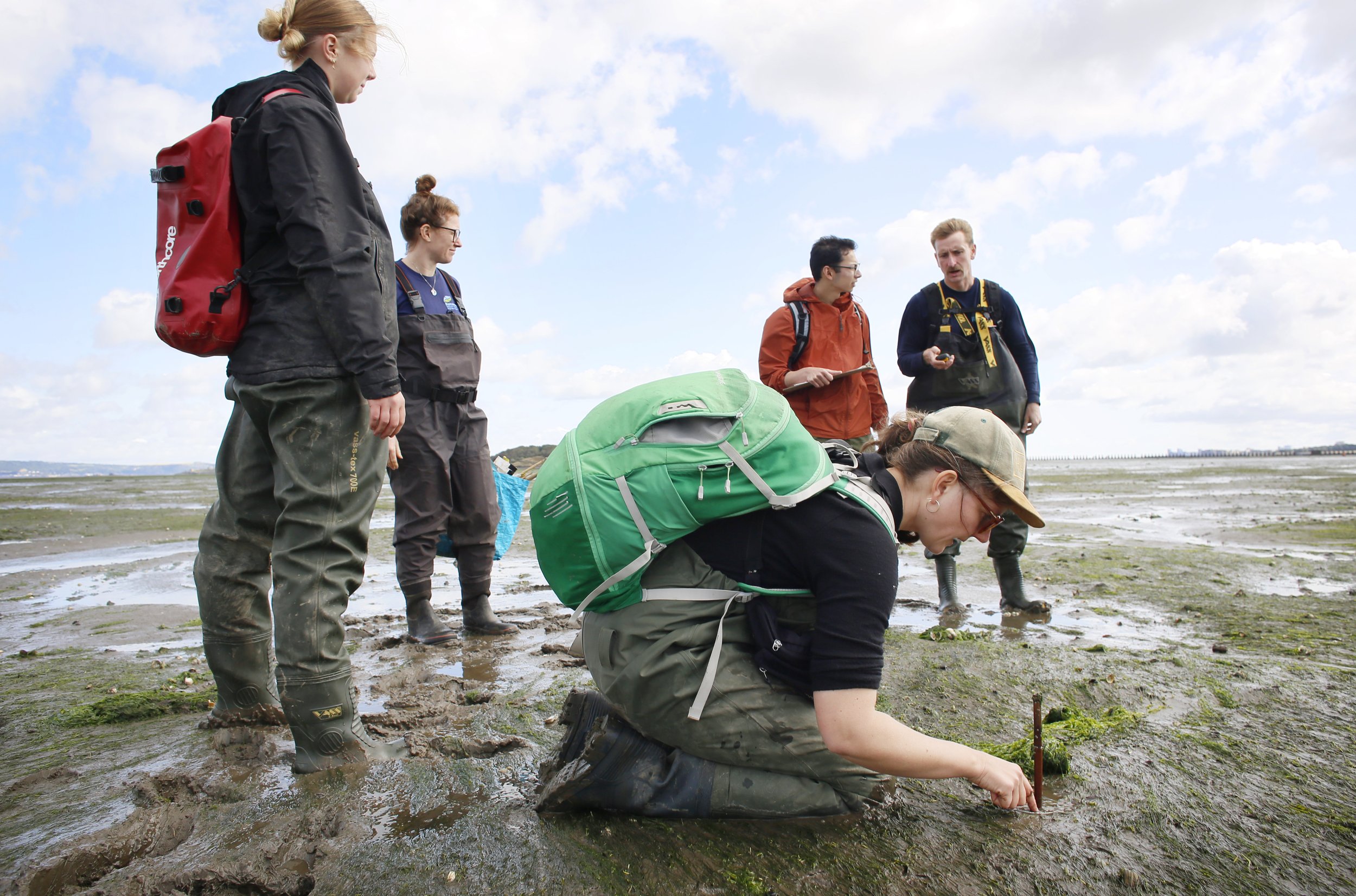
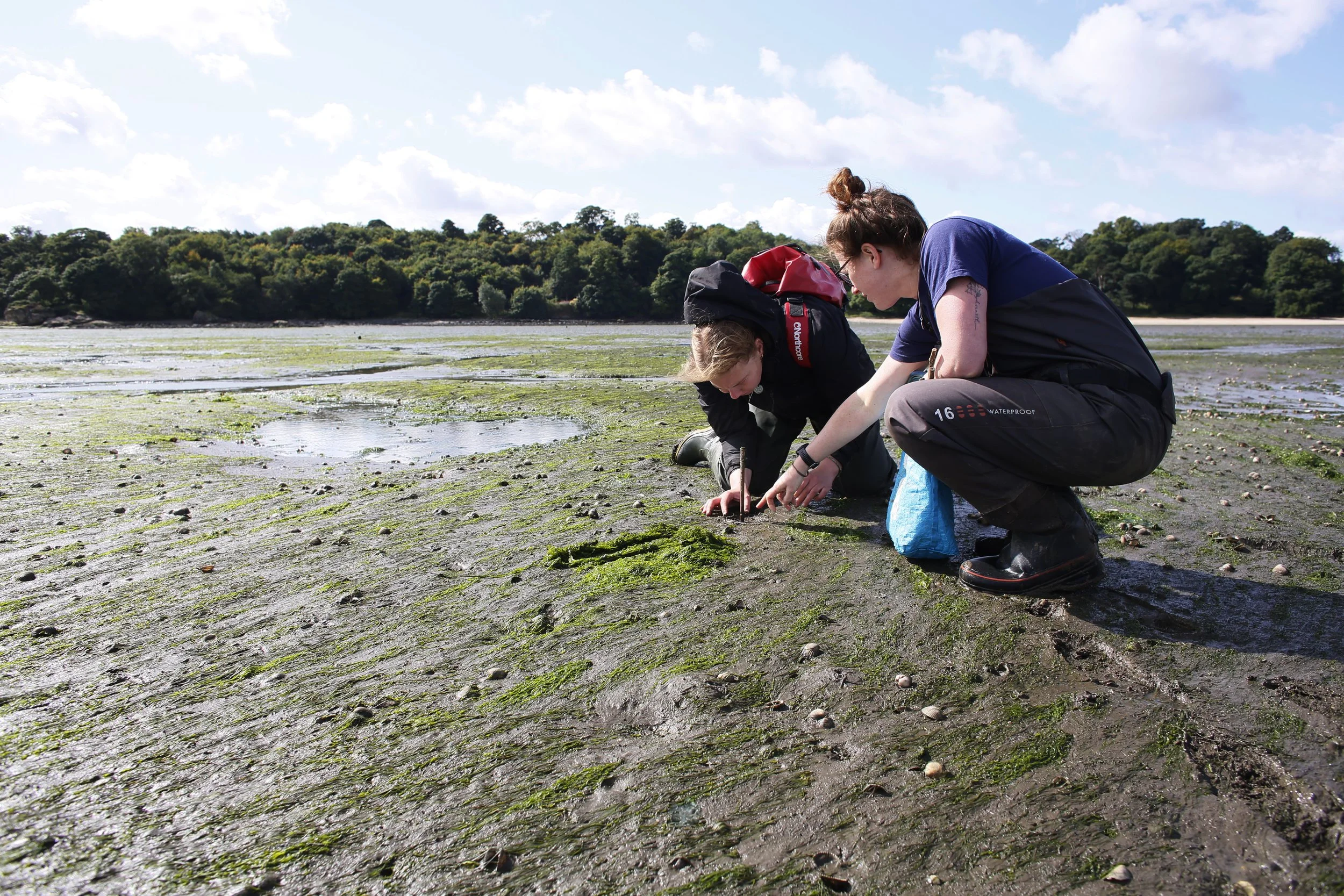
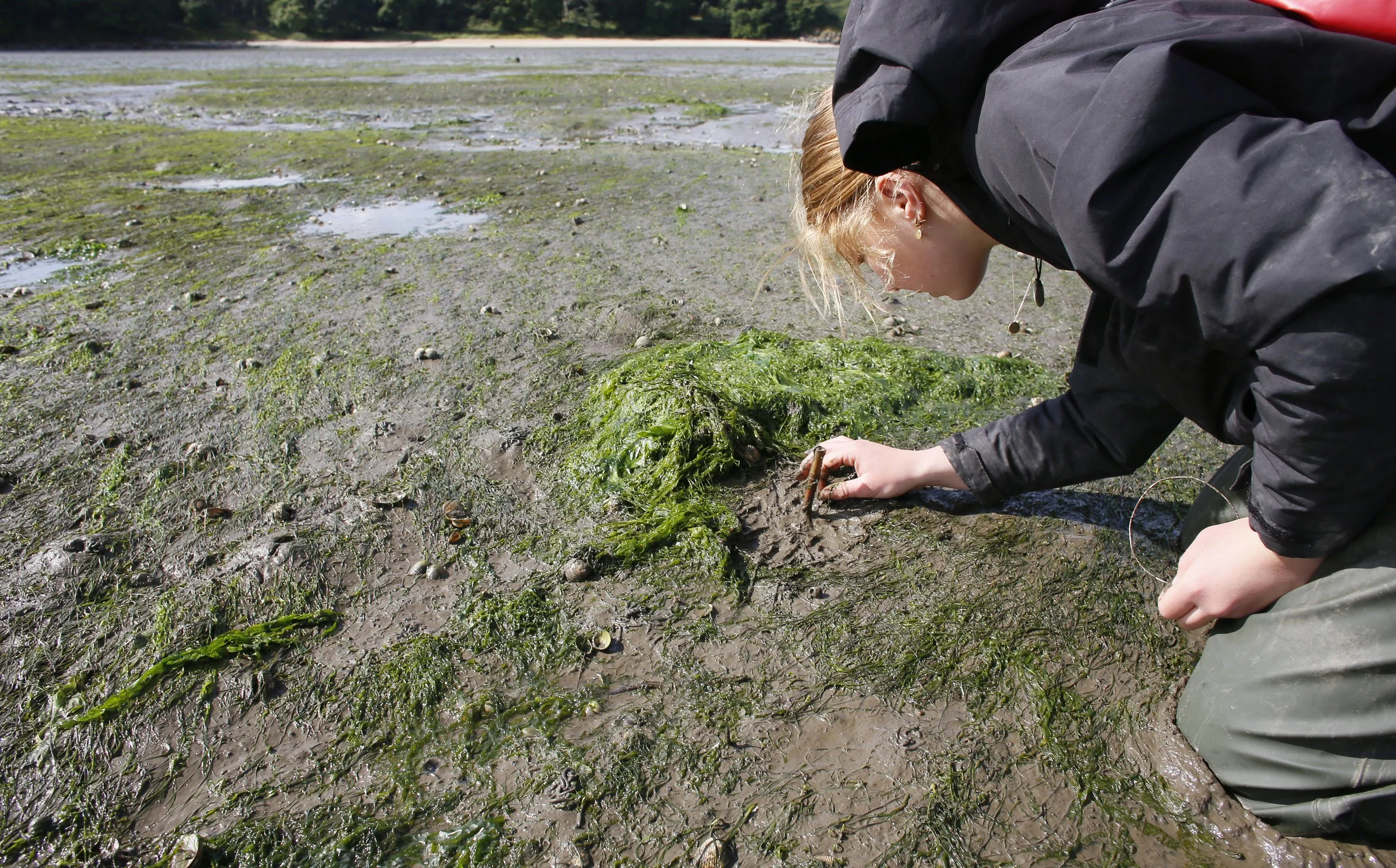
The team were assessing the recolonisation of cores that were taken from the donor meadow. Cores (cylinders with a depth of 20cm and a diameter of 10cm) containing dwarf eelgrass (Zostera noltii) and sediment were removed from the donor meadow and transplanted into plots of barren areas of mud, across Drum Sands. This activity was conducted back in May and we were back last week to investigate whether the seagrass was growing into the back filled holes. We were using a ring which was 10cm in its diameter to determine whether this process was underway.